
Follow the metal.
Not the hype.
Learn whether an unusual coin was made that way at the mint, repeated from a specific die, or changed after it entered circulation.
Three different questions
Most bad attributions happen because a collector jumps directly from “this looks strange” to a valuable error name.

Mint error?
A one-off event involving the blank, planchet, strike, collar, edge lettering, or ejection.
Browse error types →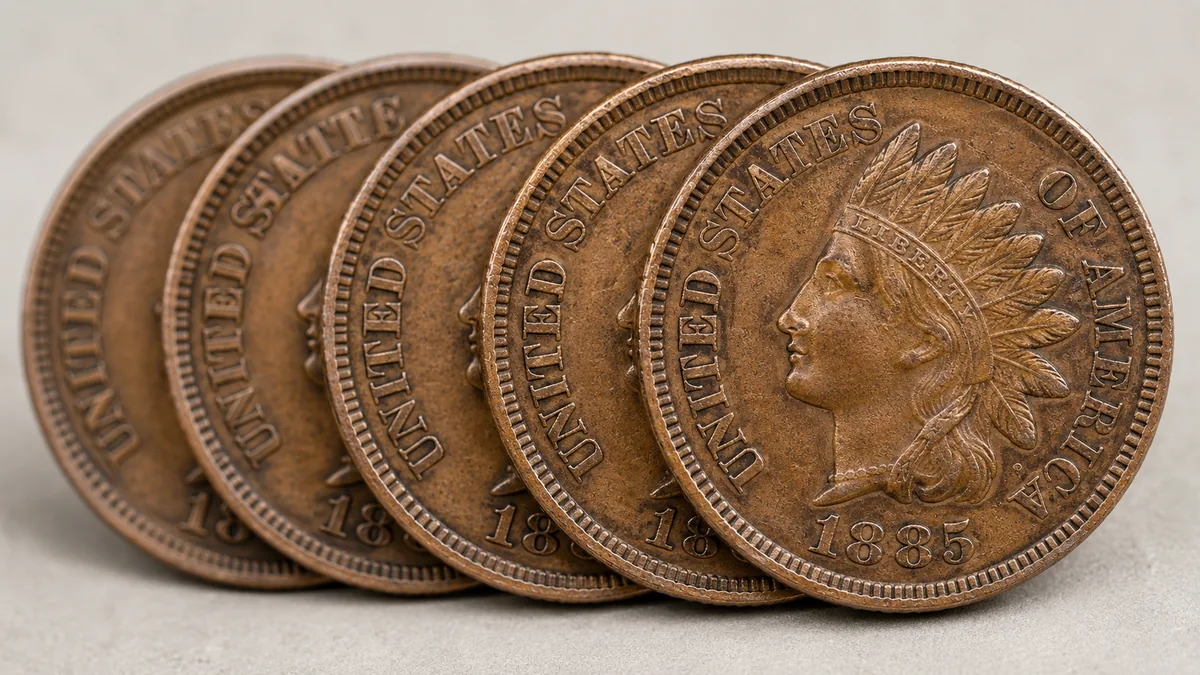
Die variety?
A repeatable feature present on every coin struck from the same prepared or damaged die.
Browse varieties →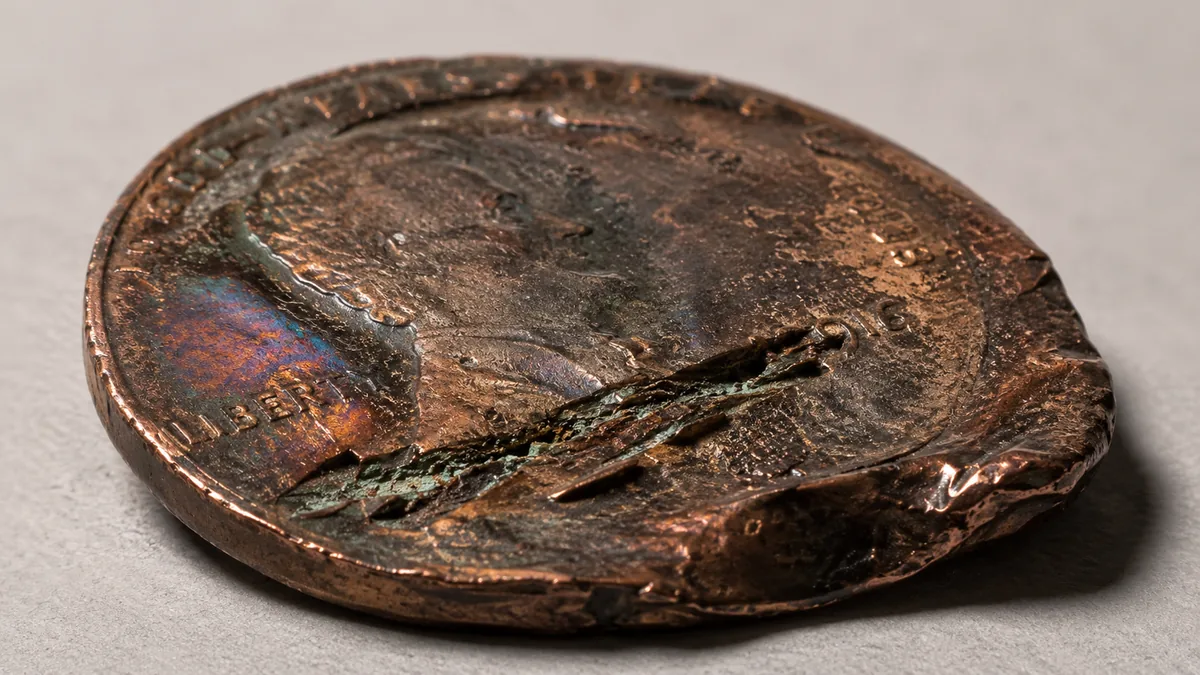
Post-mint damage?
Impact, heat, corrosion, machinery, chemicals, alteration, jewelry use, or ordinary wear.
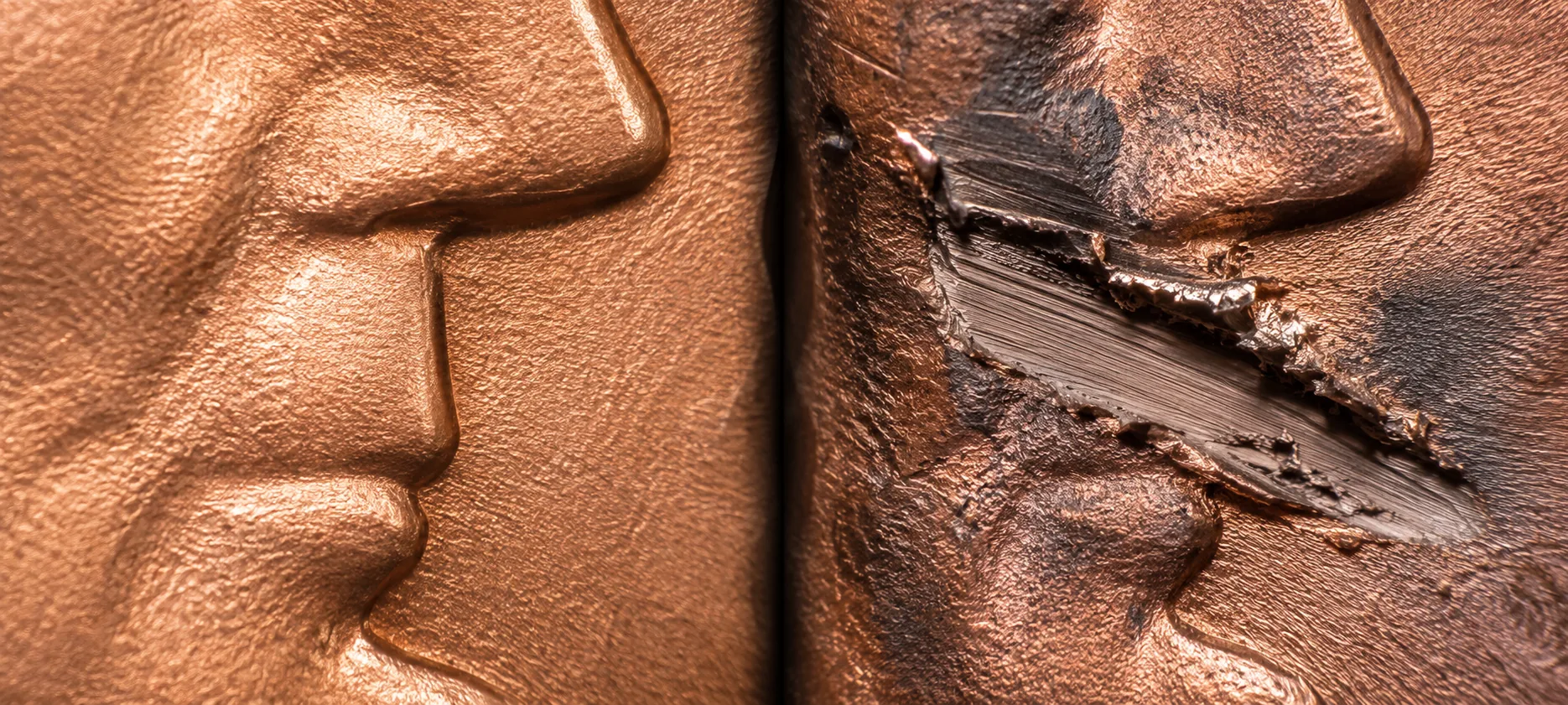
Compare lookalikes →Category imagery is illustrative. Specimen photographs and diagnostic comparisons appear in the individual guides.
Do not name it until the evidence agrees.
- Identify the normal coin. Date, mint, subtype, composition, weight and edge standard.
- Describe the anomaly. Raised or incuse? Missing metal or displaced metal? Local or global?
- Photograph everything. Both faces, complete edge, angled light and scale.
- Test a minting mechanism. The explanation must account for every visible feature.
- Try to disprove it. Compare damage, alteration, plating and ordinary die state.
Start with the mechanism.
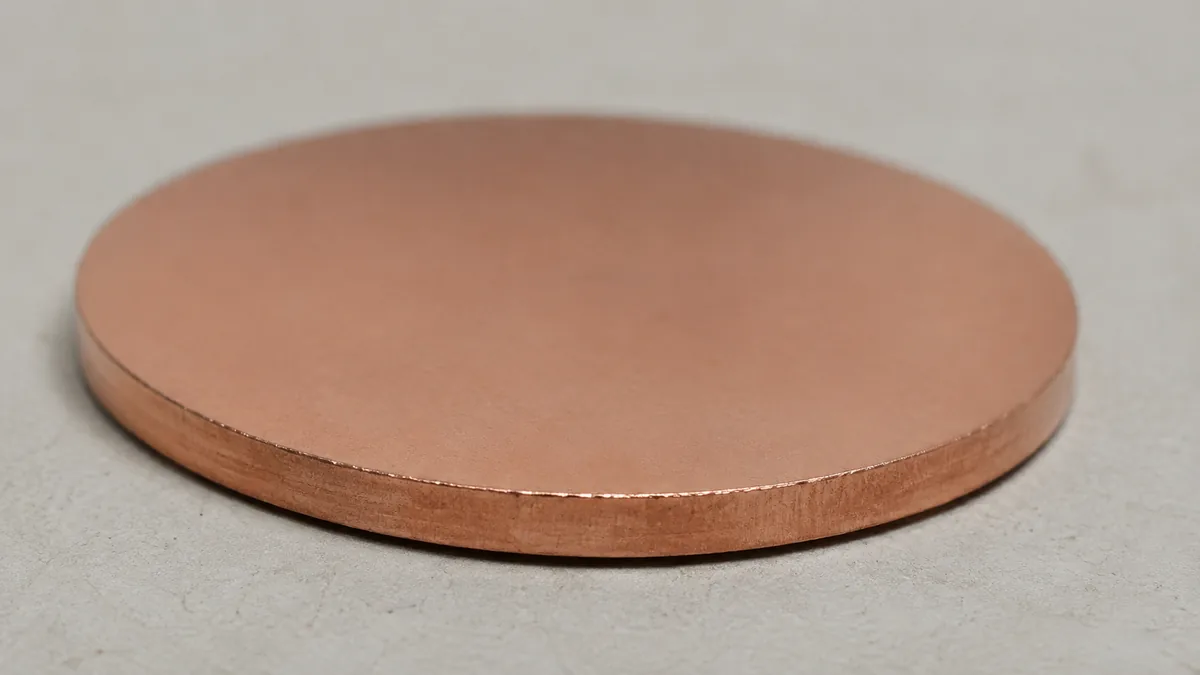
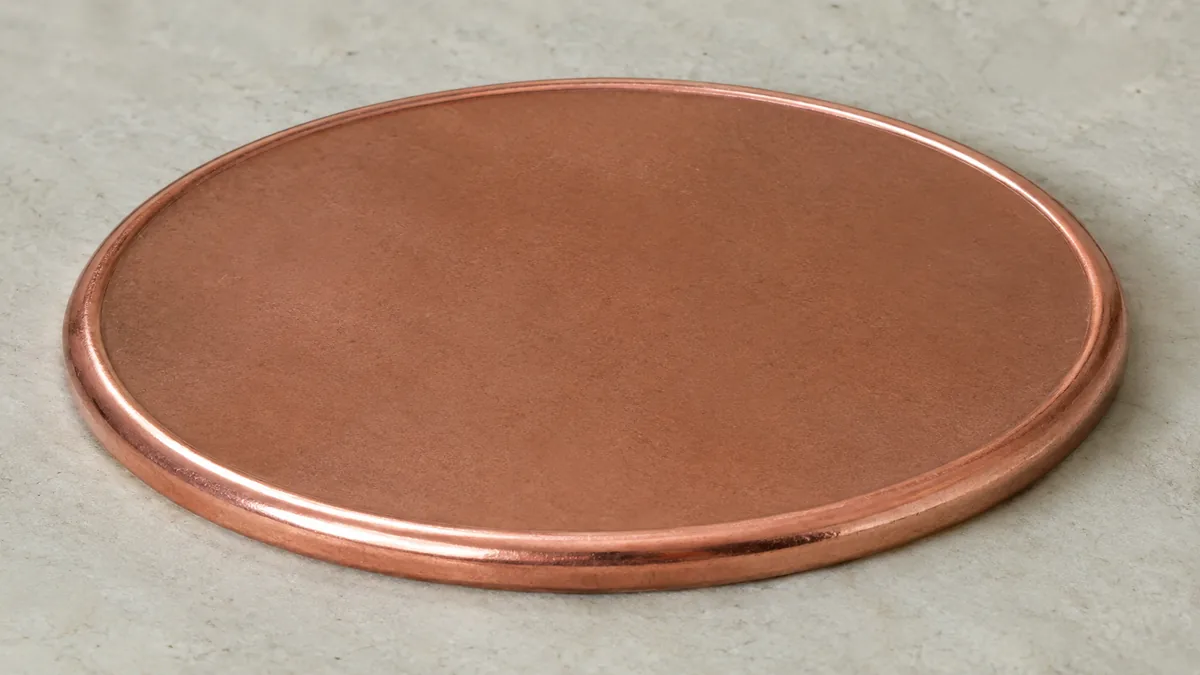
Blank Planchet Type 1
An unstruck blank punched from coinage strip before the upsetting mill forms a raised rim.
Blank Planchet Type 2
An unstruck planchet that has passed through the upsetting mill and shows a prepared rim.
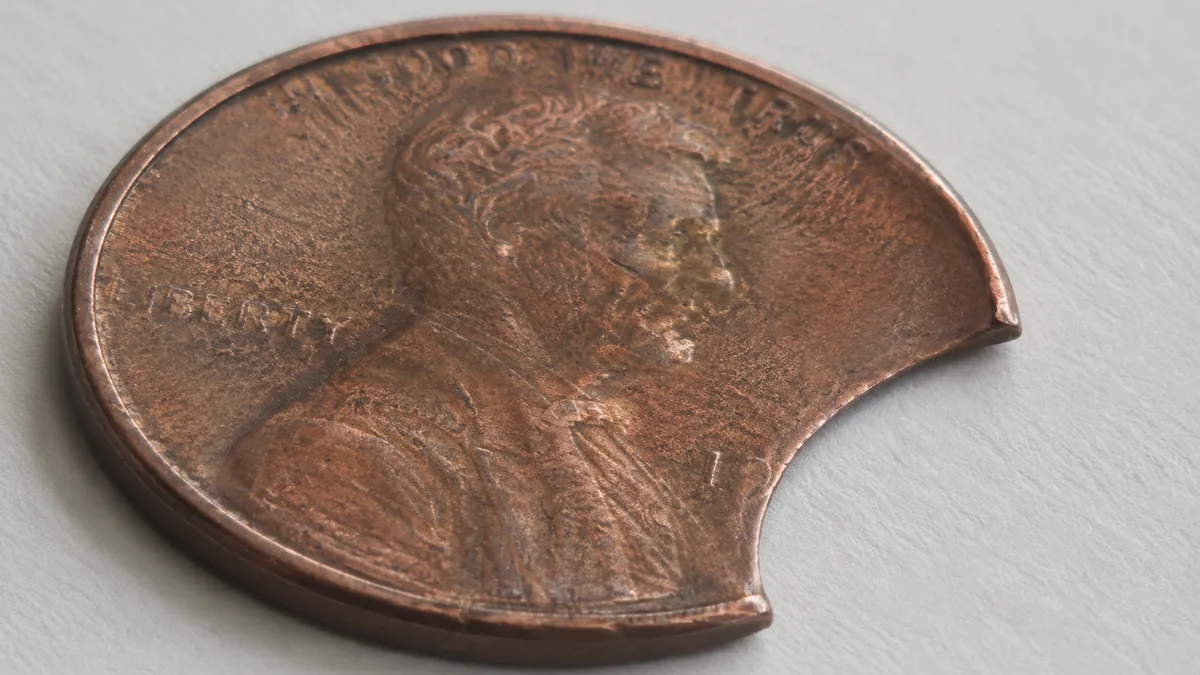
Clipped Planchet
A blanking error in which part of the coin blank is missing because punches overlapped the edge or a prior hole.
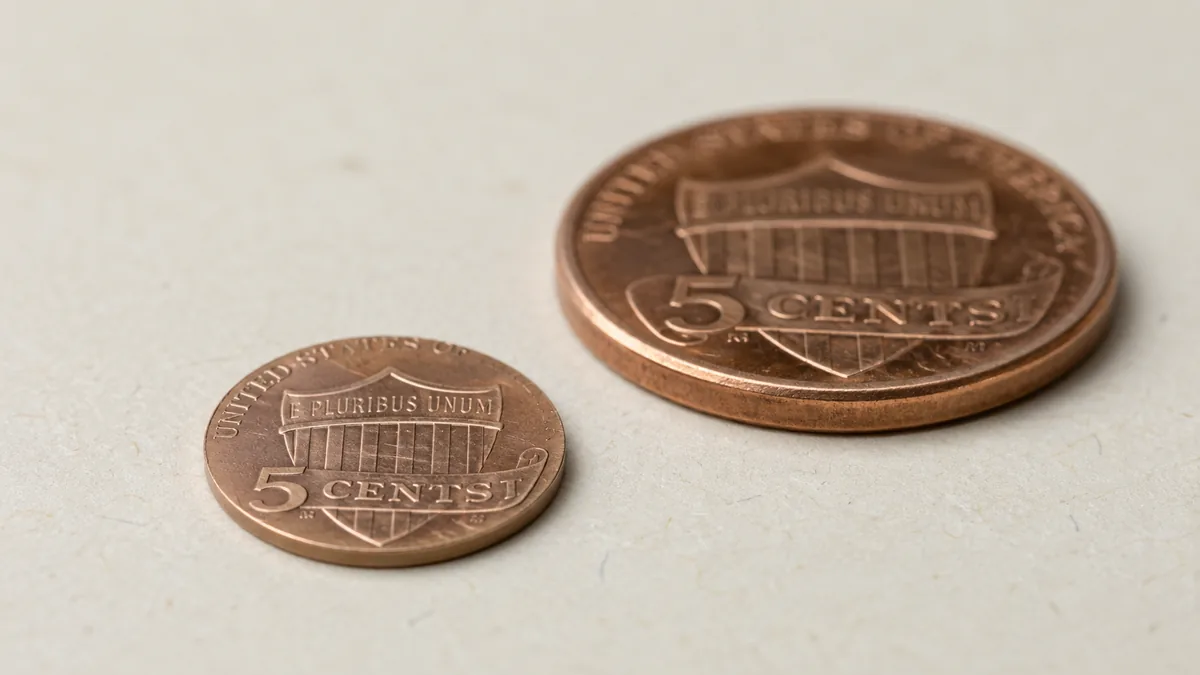
Wrong Planchet Error
A coin struck on a planchet intended for another denomination or another coinage specification.
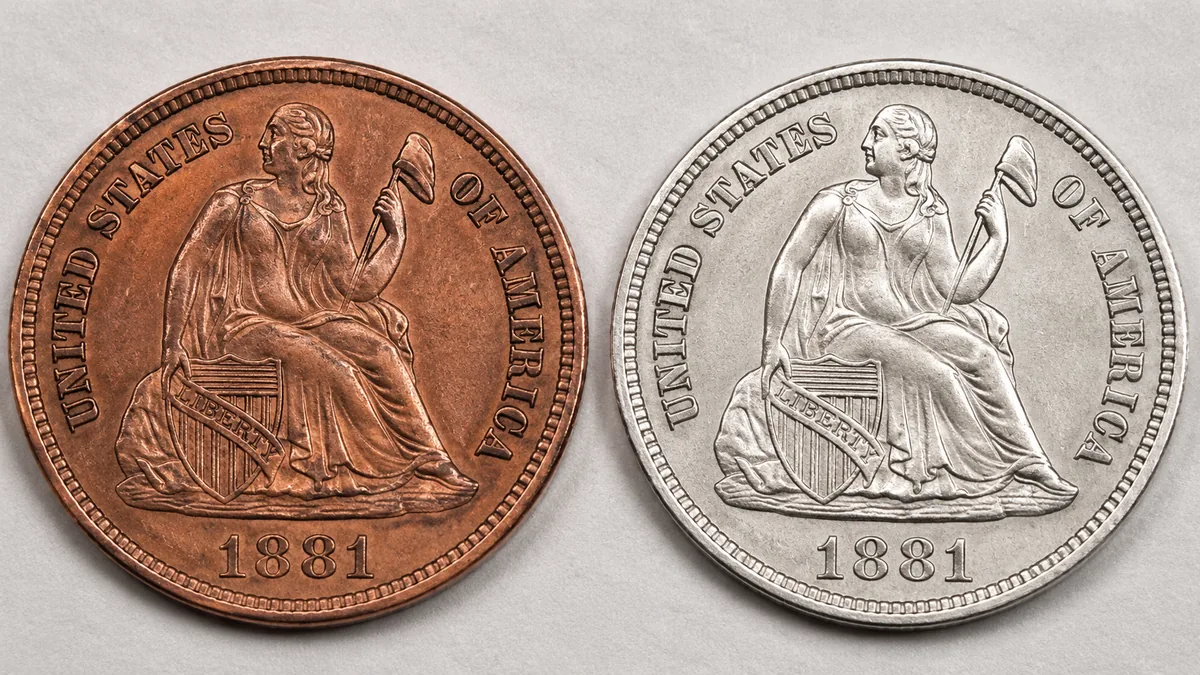
Wrong Metal or Off-Metal Strike
A design struck on metal or stock not intended for that issue.
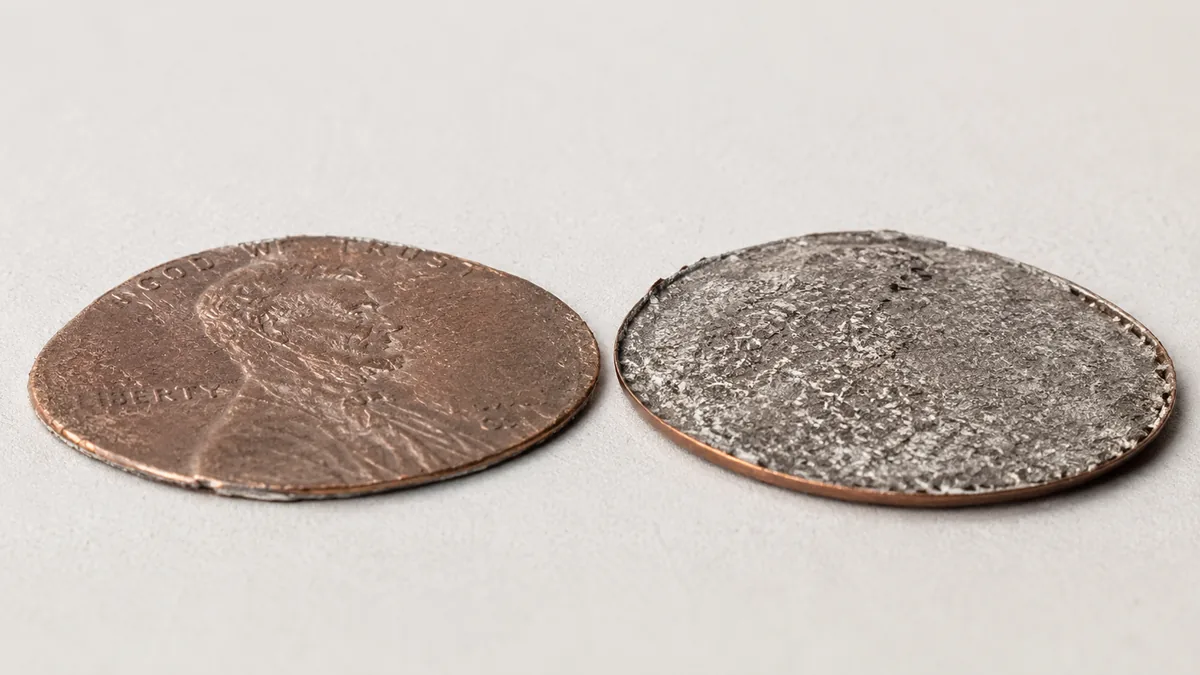
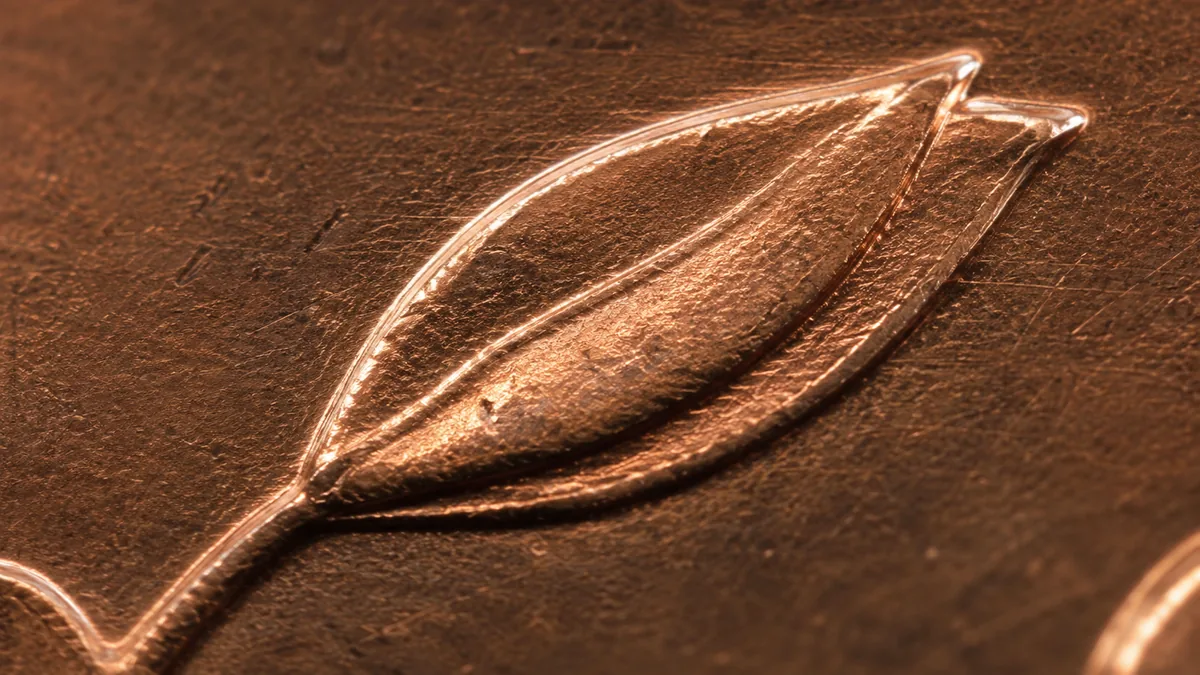
Split Planchet Before Strike
A defective planchet separates before striking, leaving a thin coin with weak or incomplete design.
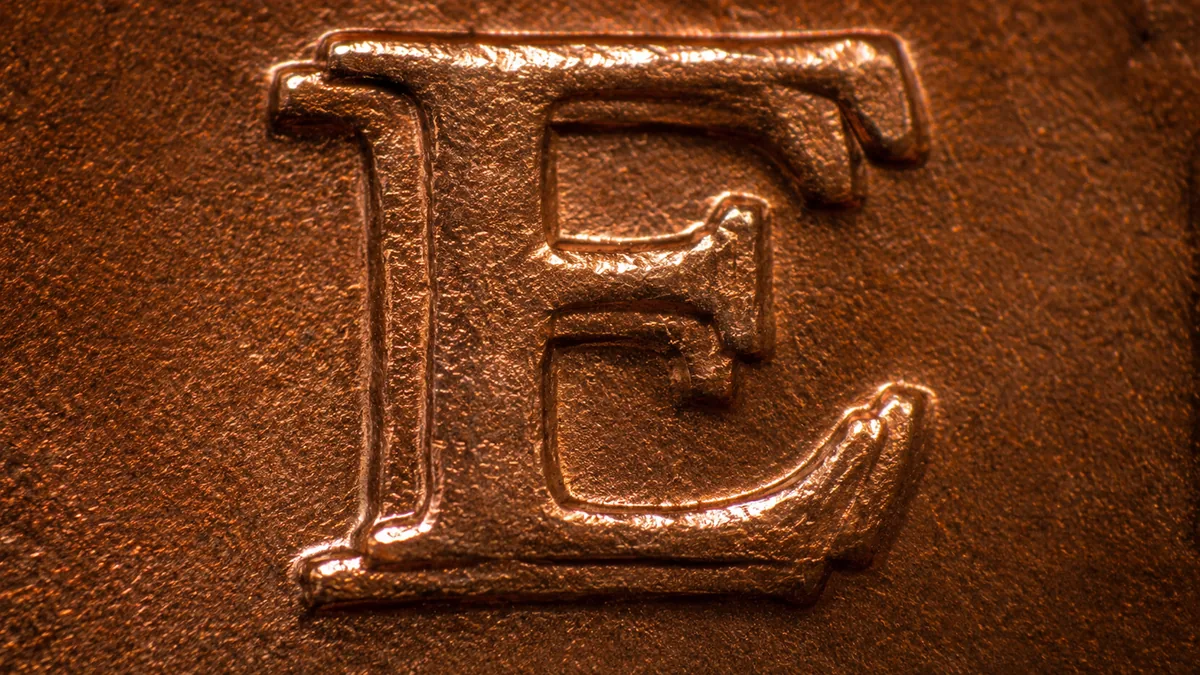
Doubled Die Obverse
A hubbing variety created on the die before coins are struck, producing repeated design elements on every coin from that die.
Doubled Die Reverse
A reverse die variety with duplicated design elements created during die manufacture.
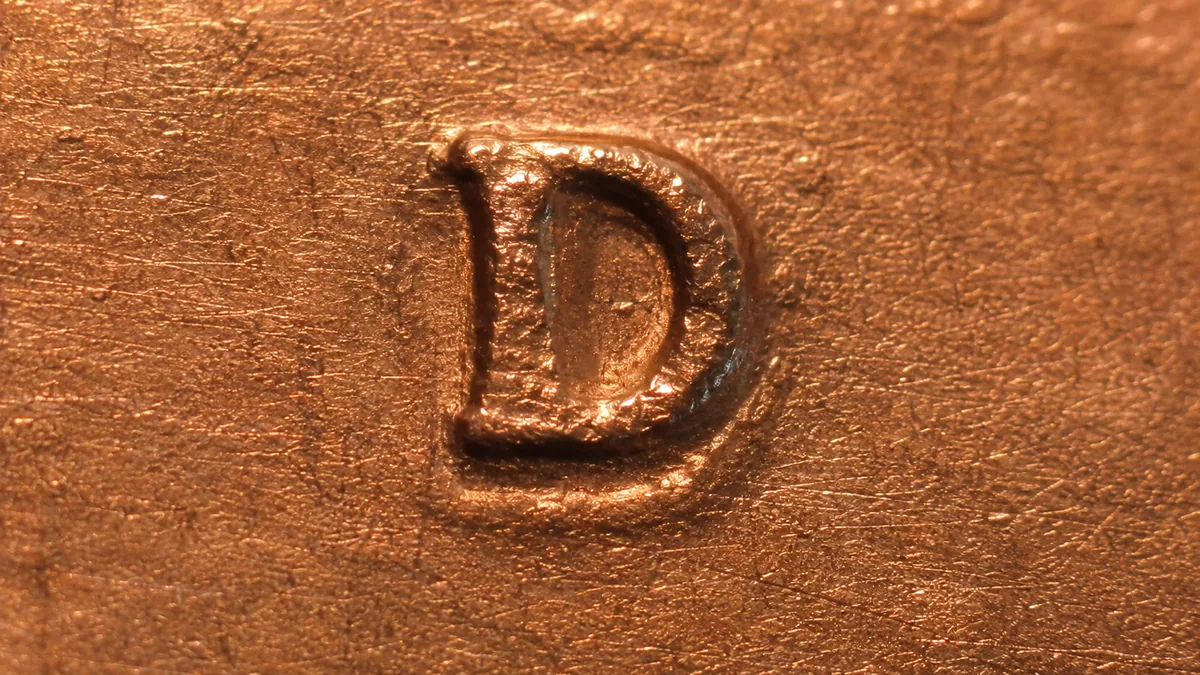
Repunched Mintmark
A mintmark was punched into a working die more than once in differing positions on older issues.
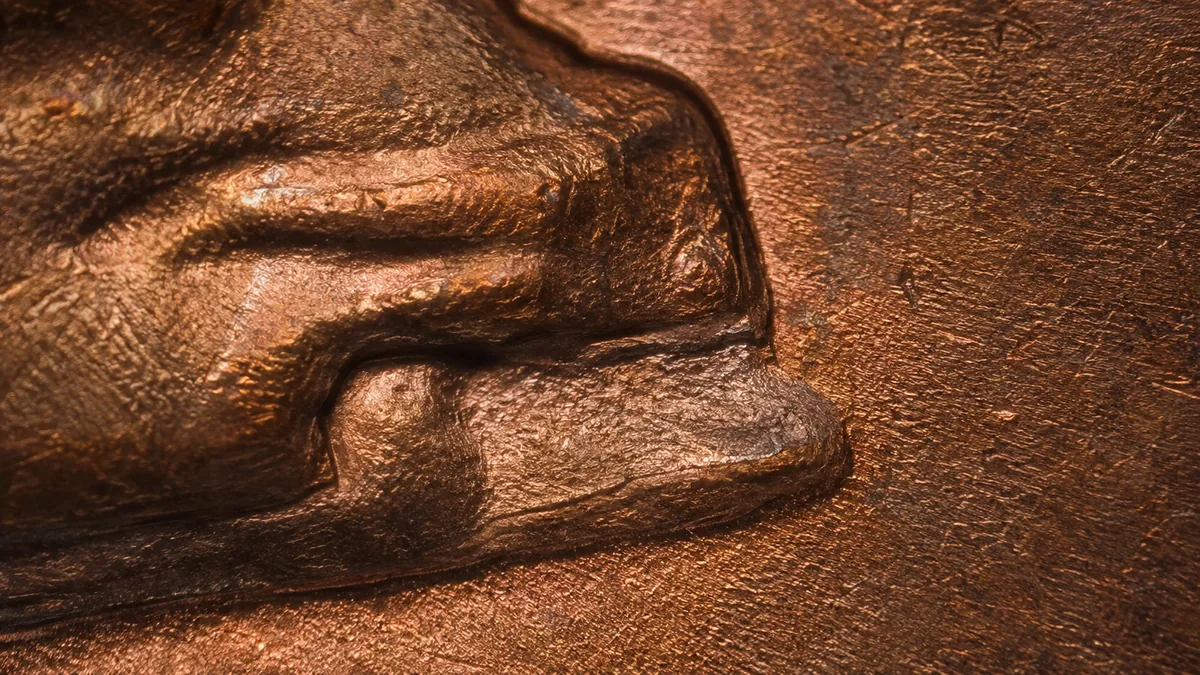
Machine Doubling
Flat shelf-like displacement created during the strike, not a doubled die variety.
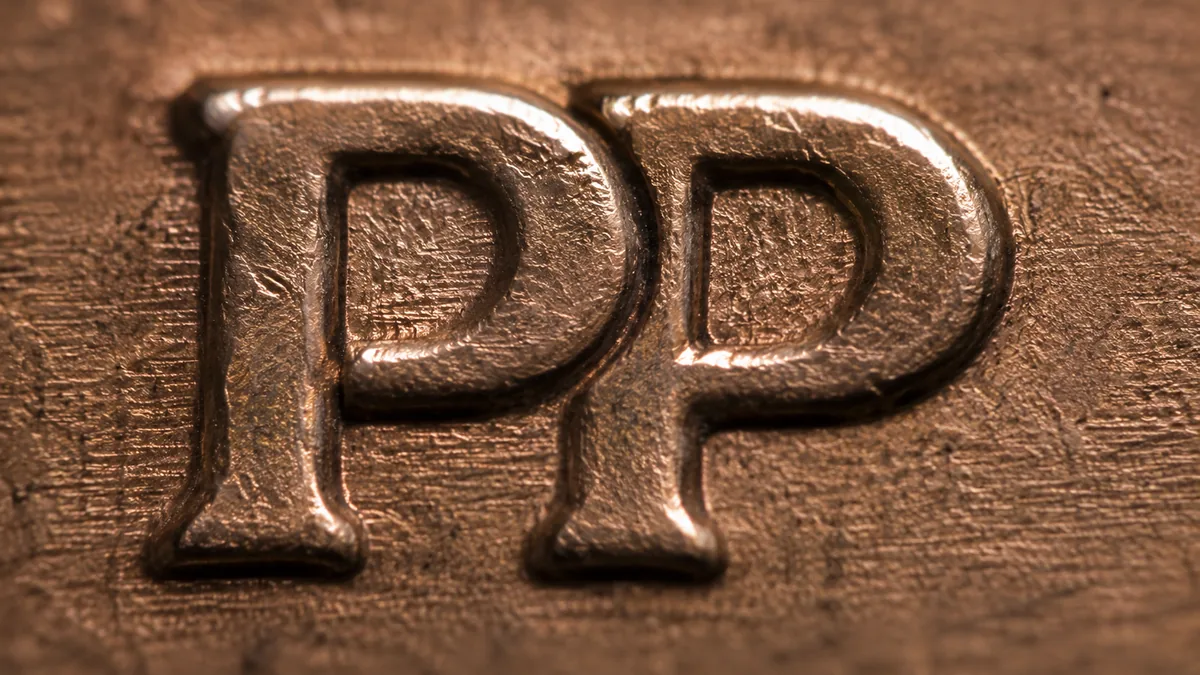
Dryer Coins
Coins trapped in commercial dryers can become smaller, thicker-rimmed, smooth, and rounded.
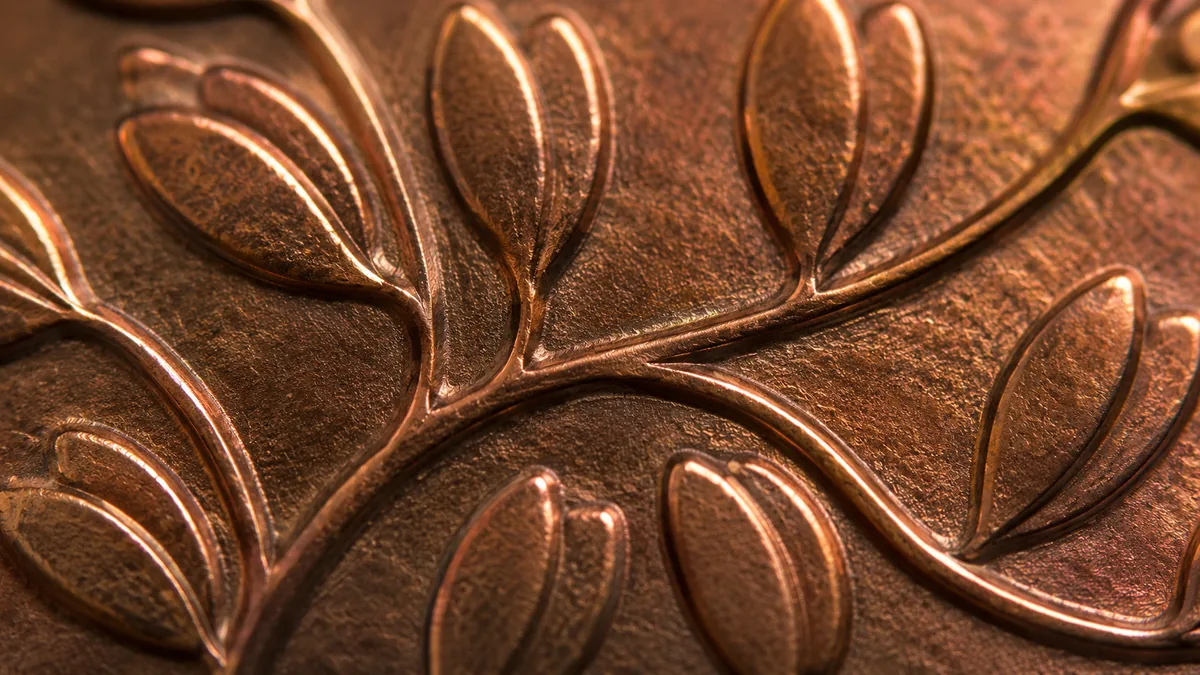
Spooned Coins
Repeated edge hammering produces a thick rounded rim and reduced diameter.
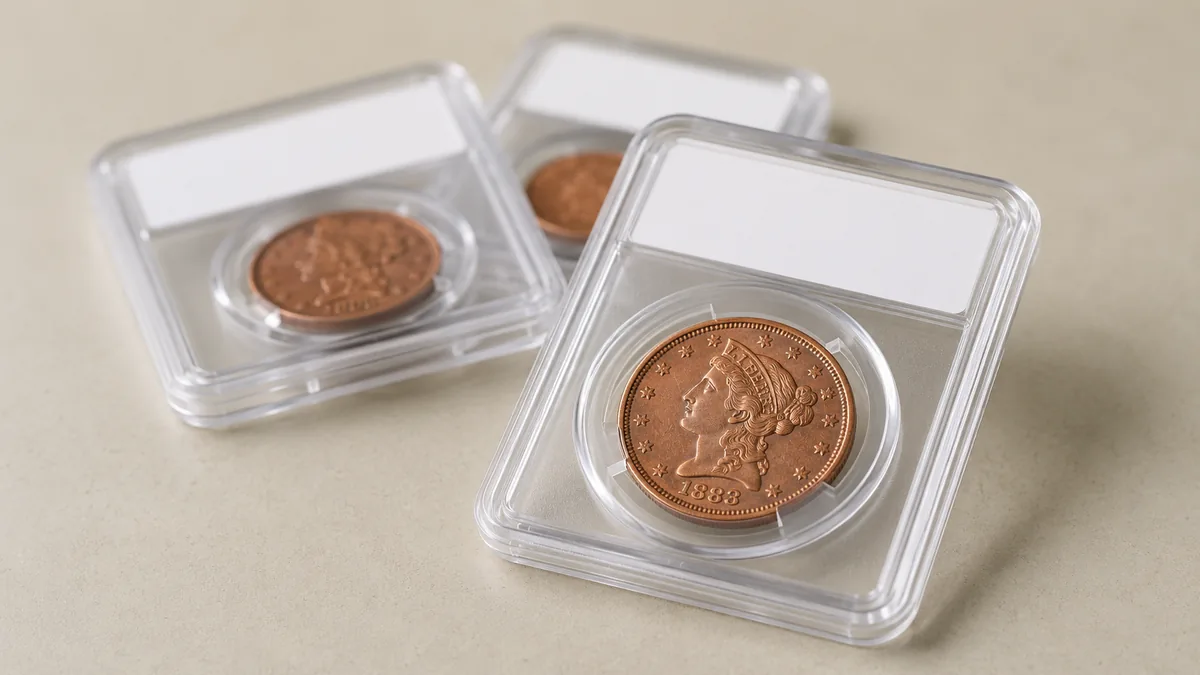
Compare certified examples and clearly photographed raw coins.
Search results contain seller descriptions, not independent conclusions. Compare the exact denomination, date, mint, error class, percentage or position, weight, grade, certification, and sold evidence.
Compare focused eBay listingsAffiliate disclosure: ErrorCoins.co may earn a commission from qualifying purchases.