Comparison
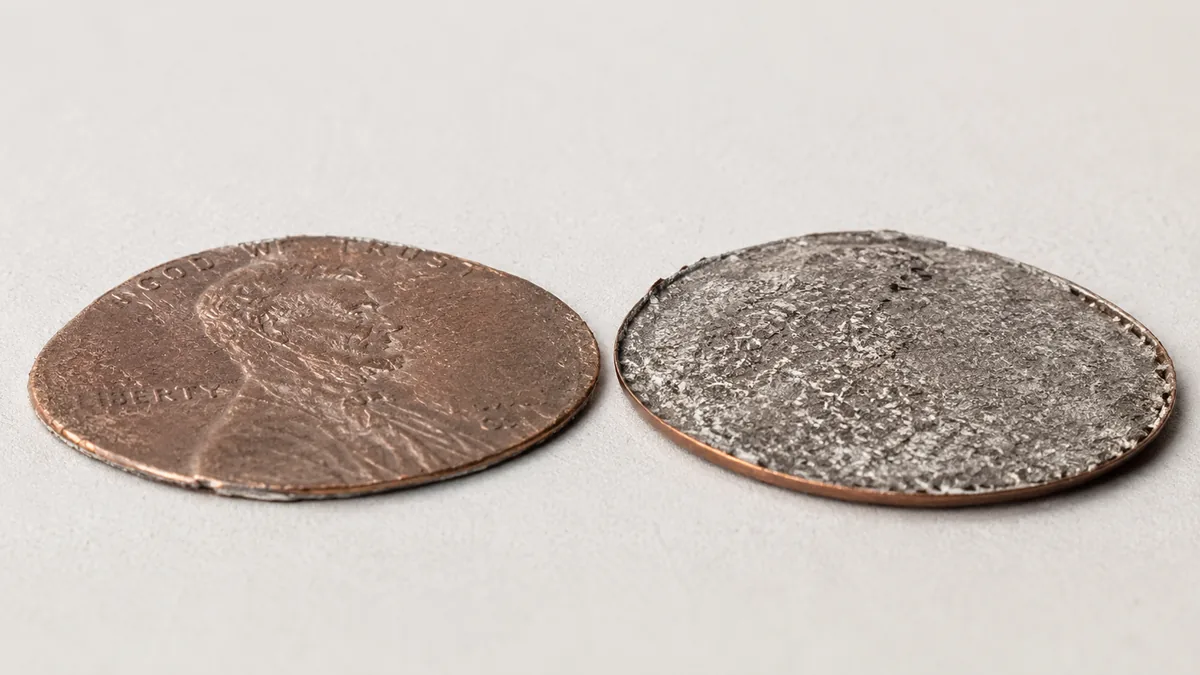
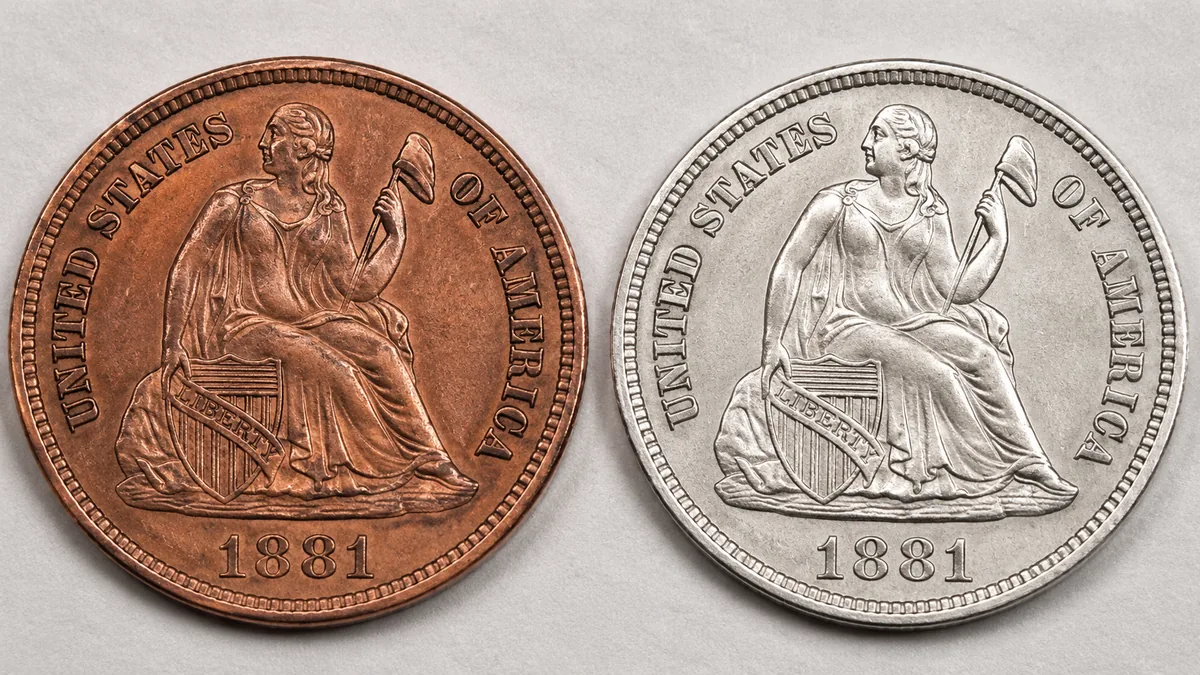
How to test a 1943 cent that looks like copper — the magnet test, the weight test, the date-shape test, and what each result means — plus why almost every copper-colored 1943 cent is a…
September 18, 202610 min read
Guide
The master guide to identifying mint error coins — the three error families (die, planchet, striking), the fourth category of things that are not errors, a triage method for any suspect…
September 18, 202617 min read
Article
How mint errors are certified and graded — which services handle errors, what the label says, how attribution differs from certification, when certification is worth it, how to submit an…
September 17, 202617 min read
Article
How doubled dies are made, the classes of hub doubling, the diagnostic features that separate a true doubled die from machine doubling and die deterioration, how to attribute a doubled die…
September 17, 202617 min read
Article
Describe raised, incuse, missing, displaced, weak, doubled, or altered metal before choosing a category.
September 17, 20262 min read
Article
Many Philadelphia circulation coins were intentionally issued without a mintmark. The date, denomination, proof status, and normal mint policy matter more than absence alone.
September 17, 20262 min read
Article
Toning, plating, corrosion, chemicals, lighting, and coatings change color. Weight, edge, dimensions, and composition evidence are required.
September 17, 20262 min read
Article
How to support irregular pieces without losing calibration accuracy.
September 17, 20262 min read
Article
A single close-up hides the host coin, edge, opposite face, scale, and metal-flow evidence needed for identification.
September 17, 20262 min read
Cost & Insurance
A named blob or viral nickname does not automatically create rarity or strong demand.
September 17, 20262 min read
Guide
What to test immediately while a marketplace return window remains open.
September 17, 20262 min read
Article
Old labels, dealer envelopes, receipts, and family notes can preserve provenance even when an old attribution proves wrong.
September 17, 20262 min read
Article
A record system for preserving fit, orientation, strike order and provenance.
September 17, 20262 min read
Comparison
Flat shelf-like strike displacement differs from hub doubling created on the die.
September 17, 20262 min read
Guide
A geometry-based method for describing off-center strikes consistently.
September 17, 20262 min read
Article
The edge can expose missing clad, seams, reeding, collar effects, jewelry damage, repairs, and edge lettering.
September 17, 20262 min read
Article
Preserve old notes while separating certified errors, varieties, damage and ordinary coins.
September 17, 20262 min read
Article
A printable photography and transcription workflow for lettered-edge coins.
September 17, 20262 min read
Article
How repeated examples can document the growth of chips, cracks, cuds and clashes.
September 17, 20262 min read
Article
Lighting, focus and sharpening practices that reduce false doubling.
September 17, 20262 min read
Article
A few tenths of a gram can separate compositions, but scale drift, dirt, holders, and tolerance can mislead.
September 17, 20262 min read
Article
How to show opposite-rim weakness on genuine clipped planchets.
September 17, 20262 min read
Article
Columns for exact configuration, certification, date, price and images.
September 17, 20262 min read
Cost & Insurance
Unsold marketplace prices are not comparables. Exact completed sales and matched attribution matter.
September 17, 20262 min read
Comparison
Die deterioration doubling is a die state; a doubled die is a die error. They look alike to a new collector and nothing alike to an experienced one. The diagnostic differences, where each…
September 16, 20269 min read
Comparison
Cuds, die cracks, and die chips are stages and forms of the same thing — a failing die. How each forms, how each looks on the coin, how to tell them from damage, and why size and drama…
September 16, 202610 min read
Comparison
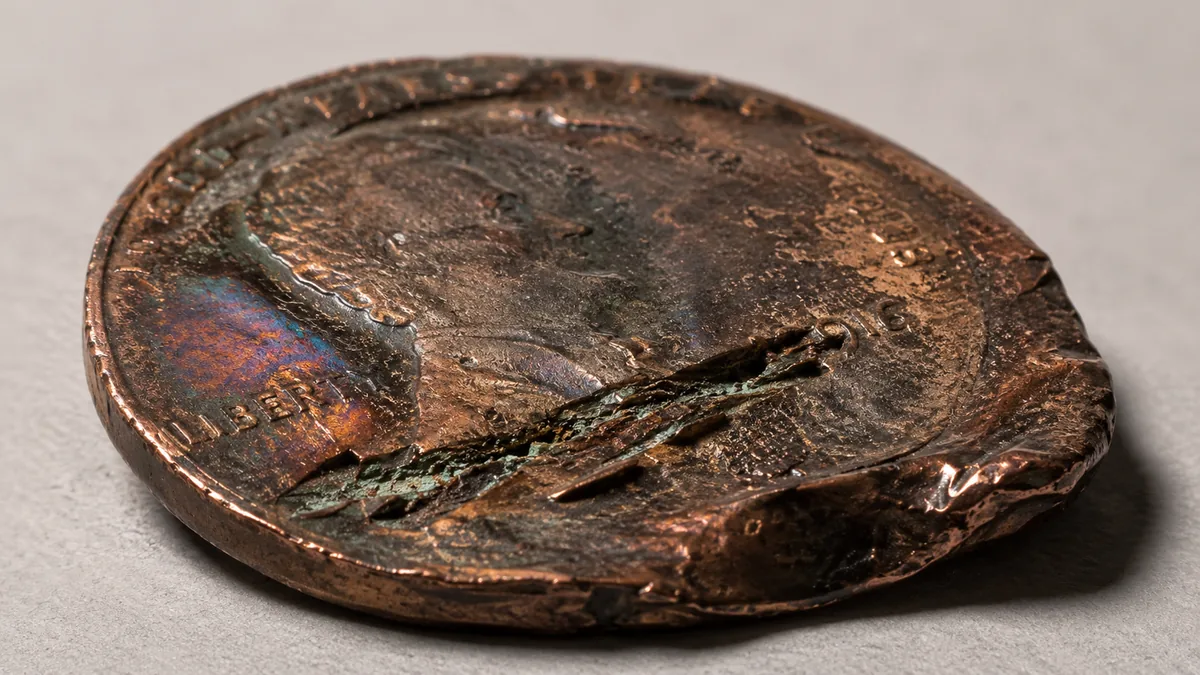
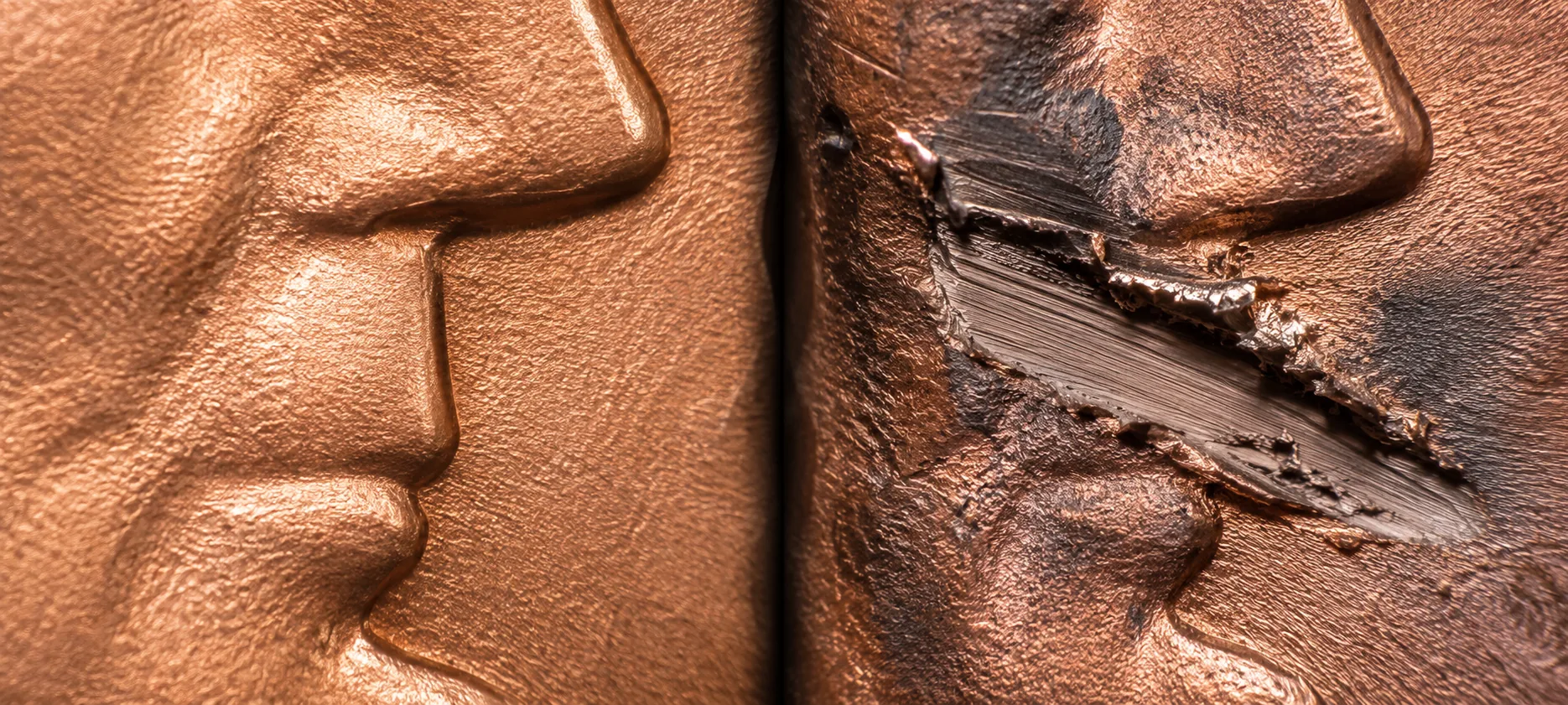
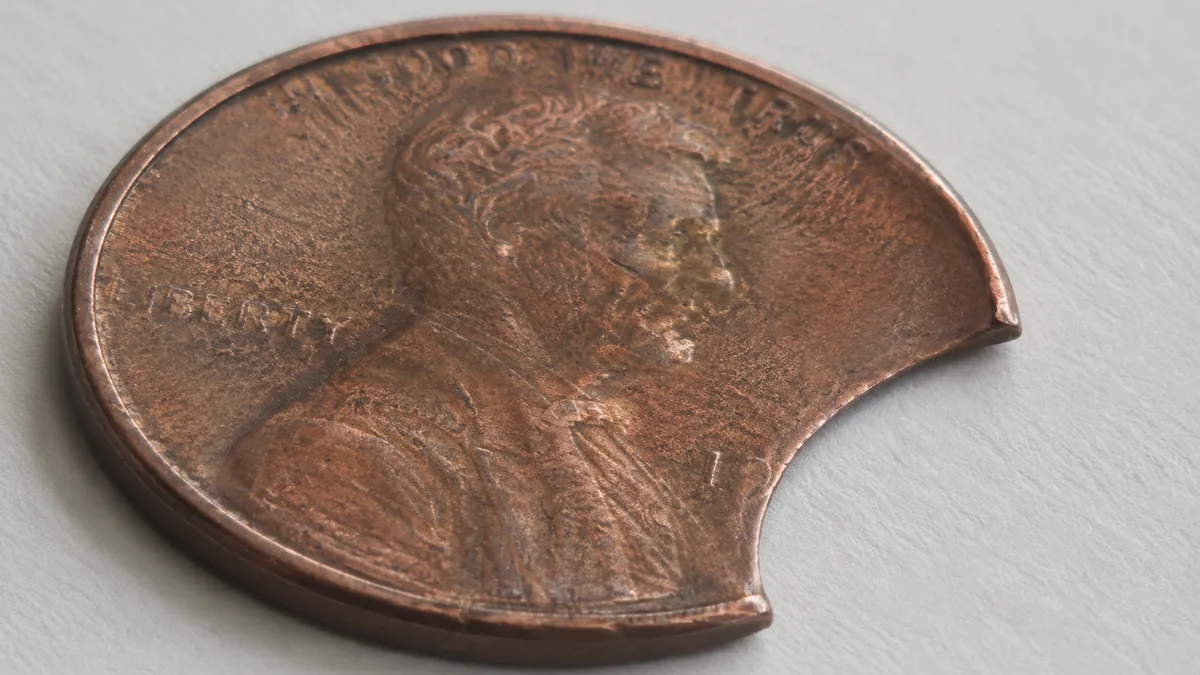
How to tell a genuine mint error from post-mint damage — the raised-versus-incuse test, the bright-edge test, the displaced-metal test, and the mechanical-cause test — applied to the pairs…
September 16, 20269 min read
No articles match. Try different keywords or clear the filter.